Speed Cameras in Spain – From Road Safety to Revenue and Mass Surveillance

Let’s set the scene. The evolution of speed cameras in Spain is not just a story of technological progress, but also a reflection of how the state has honed its capacity for surveillance, punishment and, of course, revenue. What was first presented as a tool for reducing accidents has mutated into a sophisticated control network with artificial intelligence, 5G connectivity and drones that watch you even when you yawn at the wheel. The technology has advanced, but so has driver cunning: motorists have come up with a thousand and one tricks to dodge them, while the Directorate-General for Traffic (DGT) hits back with cameras that are ever stealthier and ever more lethal to your wallet.
This journey is not just about speed-control devices, but about the eternal tug of war between the citizen and state control. With a dose of nostalgia and a lot of irony, we are going to look at how road safety has evolved into a system of total surveillance, and why Spain’s roads increasingly resemble a social-engineering experiment dressed up as prevention. Are you buckling up, or would you rather make a run for it before the camera spots you?
1968-1980: The First Speed Cameras and the Rise of the Car
In the 1960s, under the Franco dictatorship, Spain went from a country with few roads and little traffic to watching its highways fill up with Seat 600s and Renault 12s. This increase in traffic brought with it a rise in accidents, which led the authorities to look for ways to control speed on the roads.
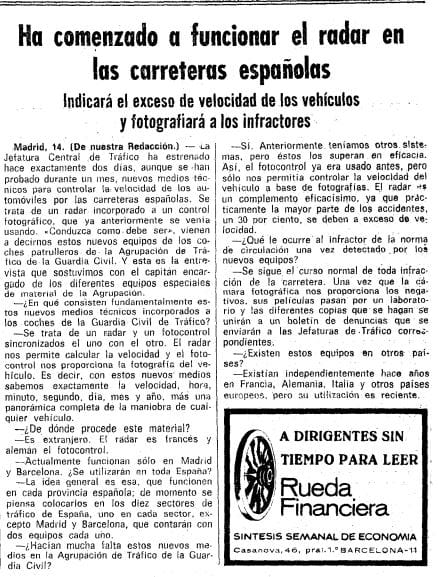
In the late 1960s and early 1970s, the first radar guns were introduced in Spain. These devices, though rudimentary, could detect speeding offenses. They used Doppler technology to measure vehicle speed with radio waves, and captured the offenses on photographic film cameras. The process was manual and slow: the photos had to be developed before the fine could be processed, which gave drivers a considerable head start before the penalty reached their homes.
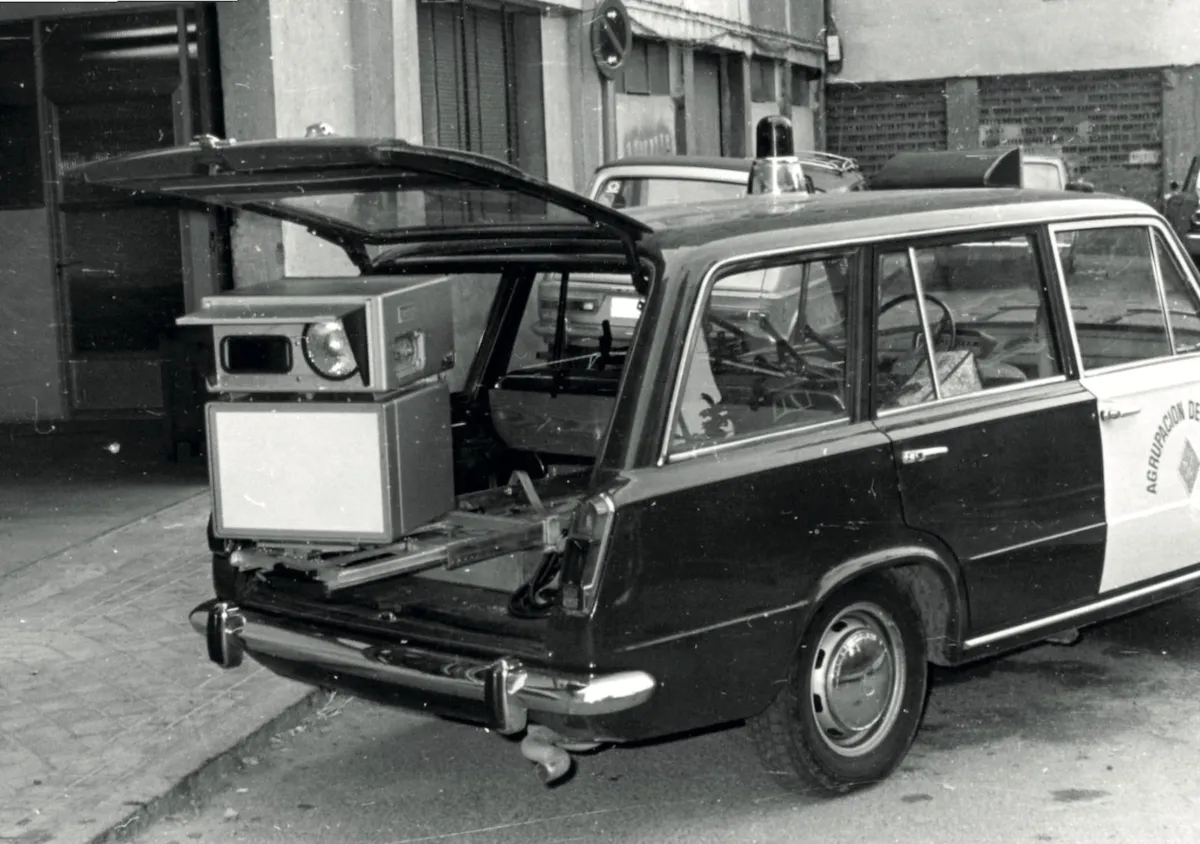
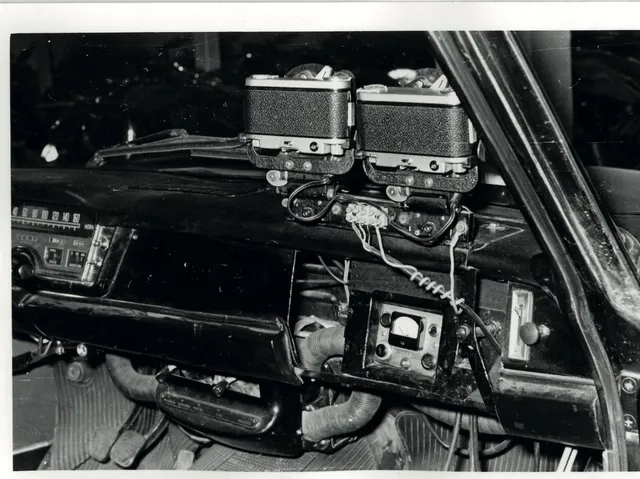
There is no single, clear reference on exactly which was the first radar model used in Spain. According to the DGT, however, the first radar guns started being used in the late 1960s. As the 1970s went on, more sophisticated devices were adopted, among them some Multanova models. Their deployment, though, was neither immediate nor uniform.
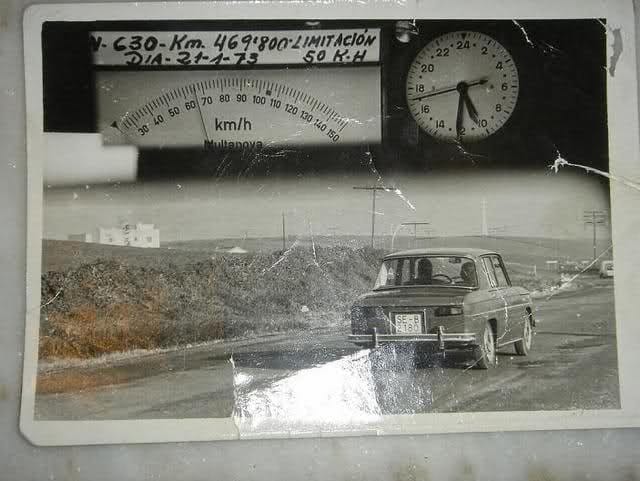
The craftier drivers began developing strategies like braking at the last second, tilting their license plates or trying reflective sprays (spoiler: most of them did not work). But the seed of the war between drivers and speed cameras had already been planted.
1980-1994: Mobile Speed Cameras and More Unpredictability
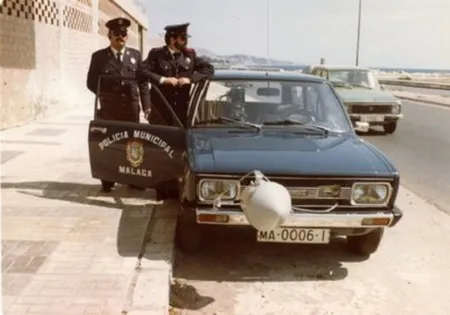
With the arrival of democracy, Spain went through two major “booms”: the baby boom and the car boom. While in the 1970s speed cameras were fixed and clearly signposted, in the 1980s the Guardia Civil innovated by introducing mobile radars in patrol cars, aiming to catch unsuspecting drivers off guard.
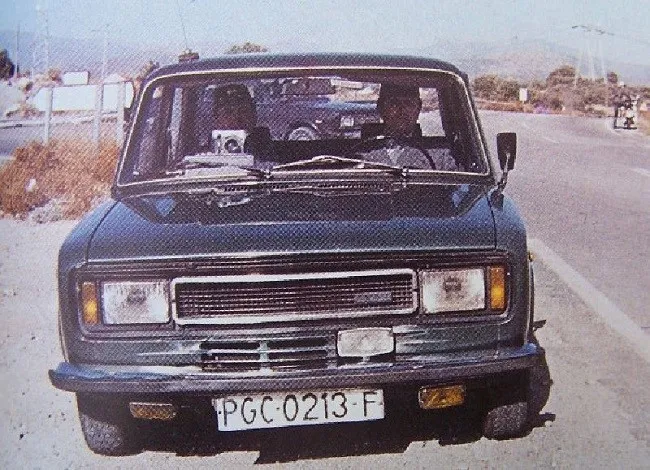
These radars, installed in vehicles like the Seat 131 and the Renault 18, still used Doppler technology in the 24.125 GHz band. They were more compact and had automatic camera triggers, though the penalty process still relied on traditional photographic film. In other words, if they “caught” you, the fine took longer to arrive than a post-office parcel at Christmas.
Driver cunning was not far behind. The first radar detectors appeared, devices that scanned radar frequencies and warned you with a deafening beep. Some even went for radar jammers, which blocked the signal outright. This practice was not well received by the DGT, which tightened the law and set about identifying vehicles fitted with these systems.
2005-2015: The Laser Revolution Arrives
Although Doppler radars were still in use, in 2010 a new player appeared: the LIDAR camera. This system did not use radio waves but pulses of infrared light at 904 nm, allowing speed to be calculated with surgical precision. It no longer mattered whether you were driving a car, a motorbike or a bicycle with rockets on it; it clocked you all the same.
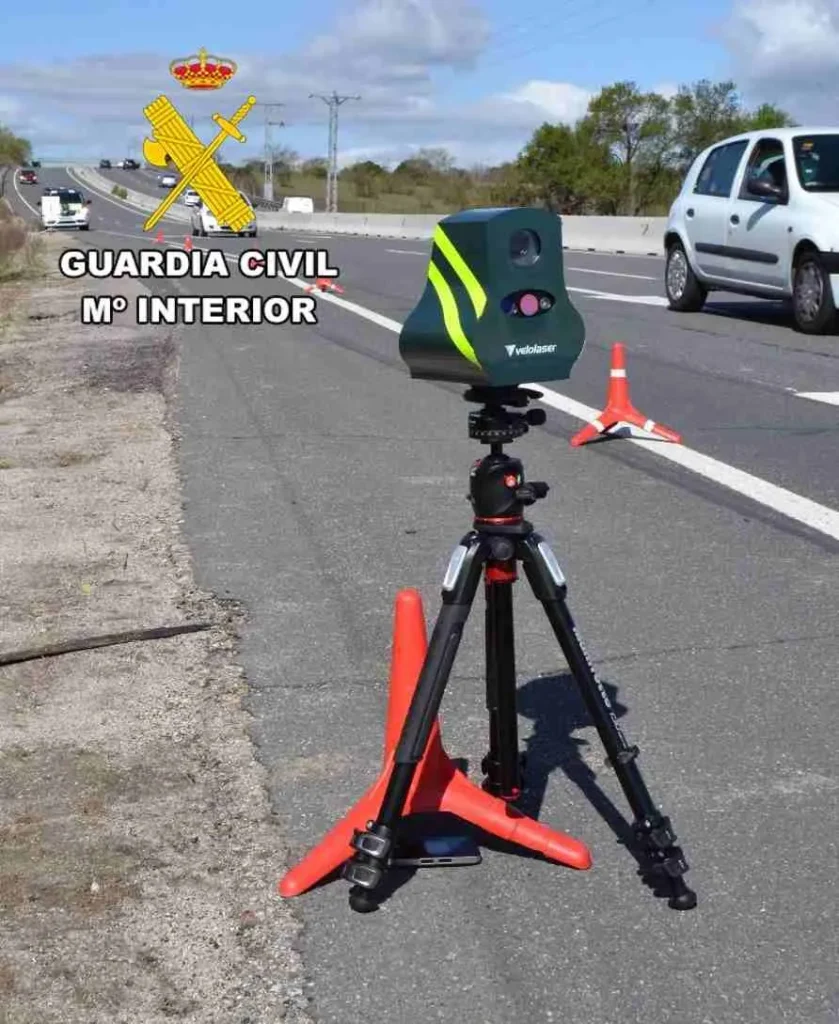
The challenge for drivers was that this system was practically undetectable. Because it did not emit a continuous signal like Doppler radar, conventional detectors could not warn you in time. So some tried license plates with dark films or reflective plates. Did they work? Well, partly. The DGT had already anticipated it with high-resolution cameras and license-plate recognition systems.
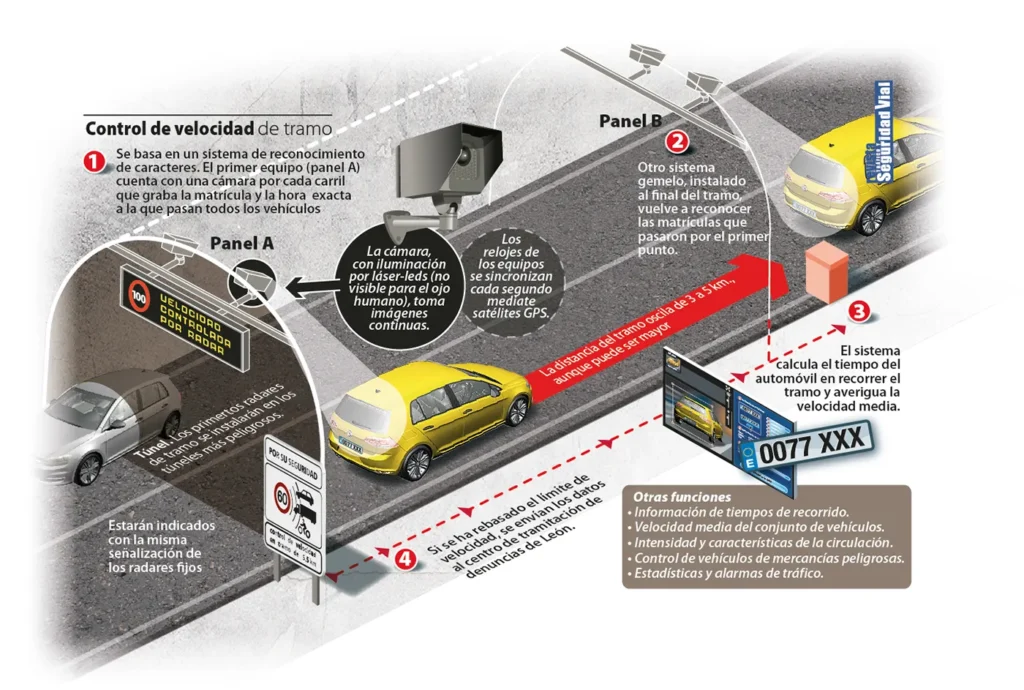
Another invention that caused a stir was the average-speed camera, which does not catch you at a fixed point but measures your average speed over a stretch of road. Spanish craftiness led drivers to practice the “brake-and-accelerate” between cameras, though as the technology improved, this trick stopped being effective.
2015-2025: AI, 5G, Twin Cameras and Total Surveillance
Today, speed cameras have stopped being simple metal boxes with a camera; they have become full-blown surveillance hubs. Integrated with license-plate databases, they can identify vehicles with outstanding fines and even analyze driving patterns thanks to artificial intelligence.
Since 2023, speed cameras have gone a step further with machine learning. They do not just penalize speeding; they now analyze following distance, detect harsh braking and even assess tire wear. Your car had better be in perfect condition.
The most controversial addition has been facial recognition. Some cameras can already tell whether you are wearing your seatbelt or using your phone while driving. Officially, it is for safety. But you do not need to be a genius to sense where all this is heading: mass surveillance and an ever more complete database on every driver.
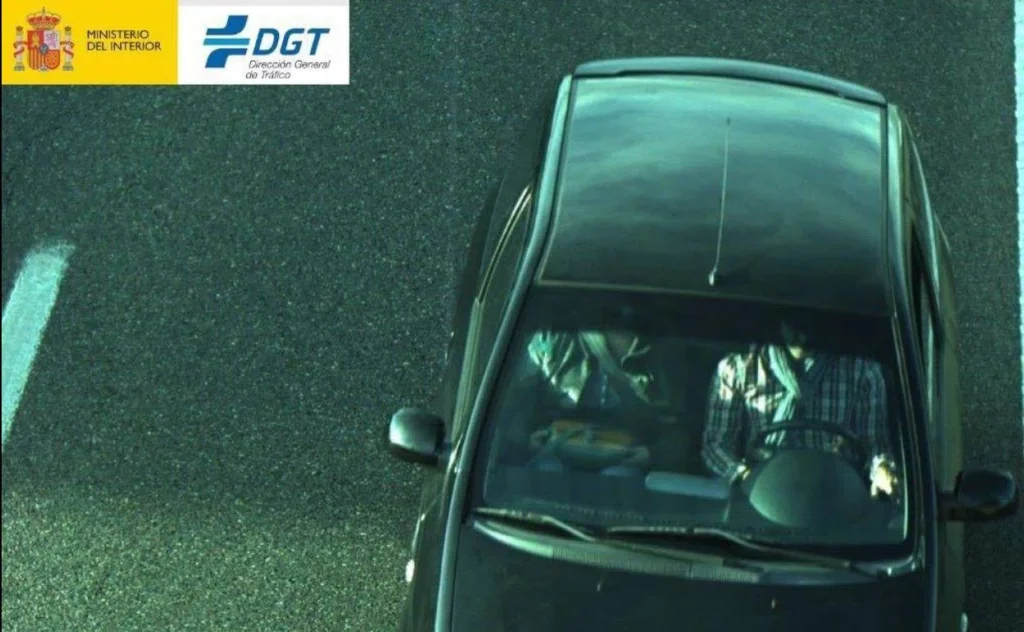
And take note, because since 2025 twin cameras have arrived. These are devices that work in pairs and can catch drivers who slow down before the camera and speed up afterward. They are more discreet, cost around €6,000 each and are already in use in Europe. The DGT will not take long to roll them out in Spain.
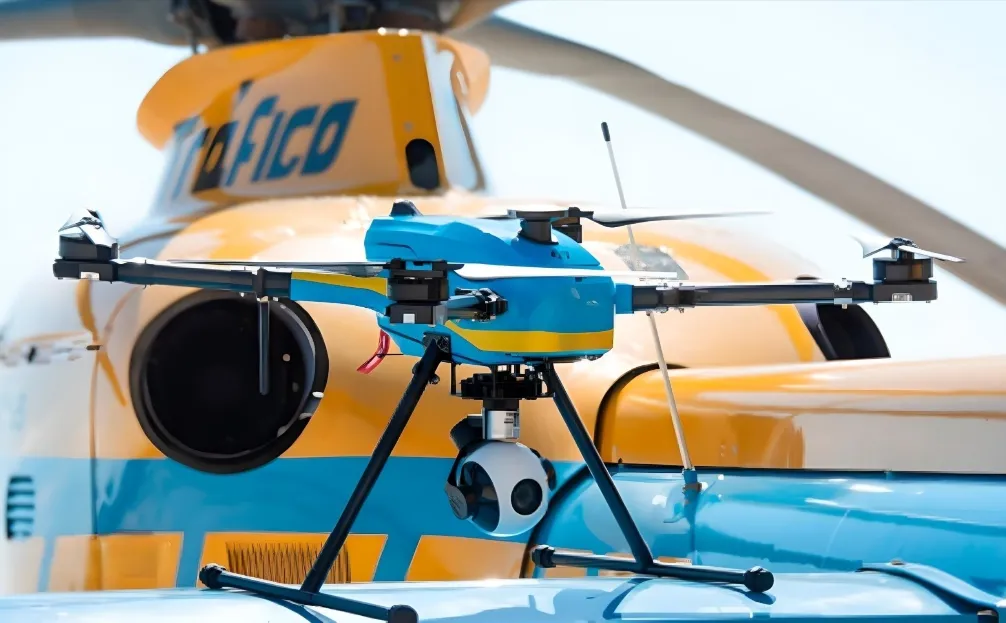
On top of that, the Pegasus helicopters have evolved, adding more precise sensors and infrared detection systems to operate even in conditions of
What Do We Know About the DGT’s Speed Cameras?
Speed cameras in Spain have not only evolved technologically, they have also perfected their ability to empty your wallet.
According to Diario AS, in 2023 the DGT recorded no fewer than 3,355,287 speeding reports, a figure that, alarming as it sounds, is 9.4% lower than the previous year. Now, let’s not kid ourselves: this does not mean people are driving more slowly, it means drivers have memorized the location of the most “fine-happy” cameras.
In fact, just 50 cameras accounted for 38% of all penalties, which confirms that there are strategic spots where the revenue is constant. The absolute champion of fines is the camera at kilometer 20.2 of the M-40 in Madrid, with 118,149 penalties in a single year. Andalusia leads the regional ranking with 436,273 fines, followed by Madrid (210,792) and the Valencian Community (127,063). If you pass through these spots often, you can start getting your credit card ready.
What Can We Expect in the Future?
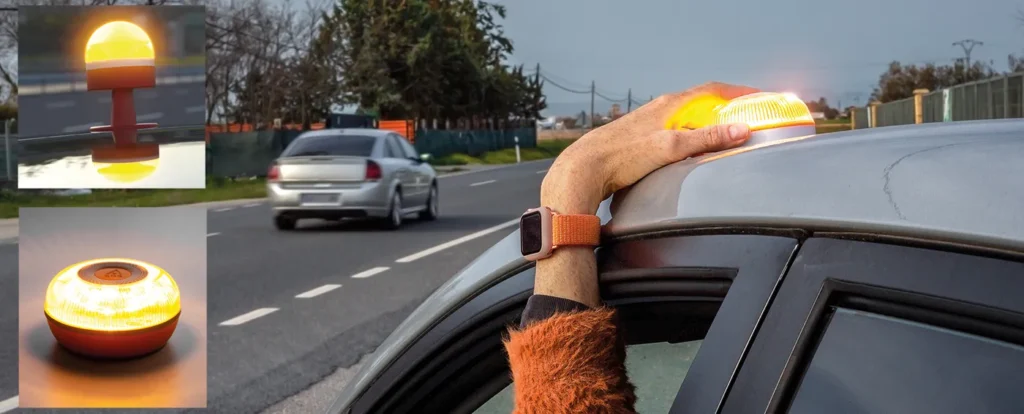
If you thought you were already under surveillance, wait, because what is coming is a genuine Big Brother on wheels. From January 1, 2026, it will be mandatory in Spain to use the V-16 warning light, a beacon that waves goodbye to the classic emergency triangles. The revolutionary part? It is not only more visible and easier to place, it also connects you directly to DGT 3.0, sending your exact location in real time when you activate it. In other words, if speed cameras used to catch you on the move, now they will know exactly where you are even when you are broken down on the side of the road.
And as if that were not enough, get ready for the arrival of twin cameras, the latest invention to make sure the DGT does not lose a single euro in fines. This system consists of two synchronized cameras that calculate your average speed between two points, making the old trick of braking before the camera and flooring it afterward impossible. They are smaller, more discreet and cost around €6,000 each, an investment they will no doubt recoup quickly through penalties. They are already in operation in several European countries, and given the trend, we will soon see them multiplying on Spanish roads.
These developments, though sold as improvements in road safety, also reinforce a model of absolute digital control on our roads.
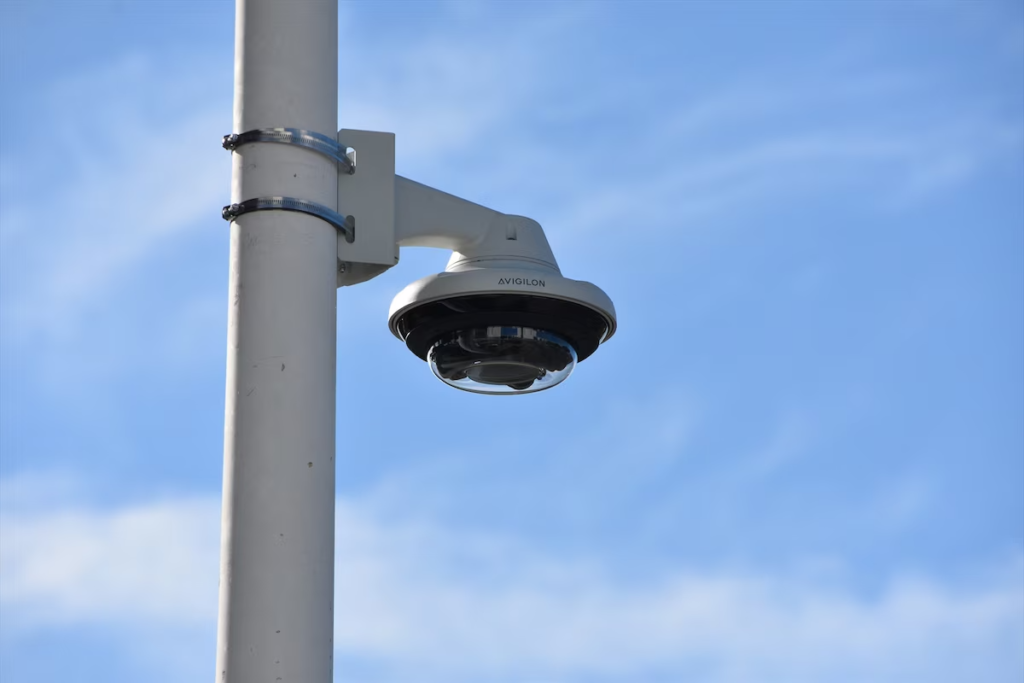
The DGT’s Speed Cameras Are Just One More Eye of Big Brother
Alongside speed cameras, other devices such as parking meters, red-light cameras, low-emission zone access control and various surveillance and monitoring systems have evolved in parallel. These devices are not only used to penalize offenses, but also to manage traffic more efficiently and improve road safety in urban and interurban settings.
Red-Light Cameras and Offense Enforcement
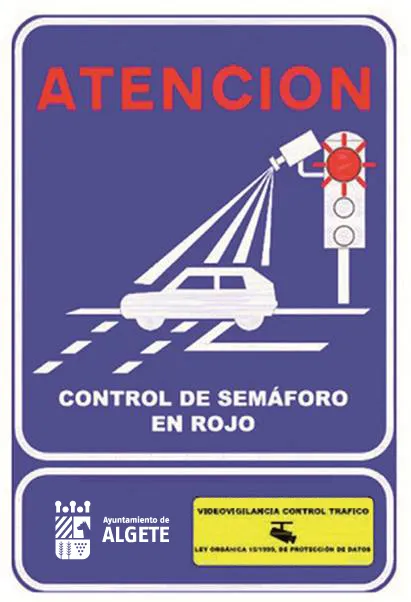
Cameras installed at traffic lights, also known as red-light cameras, detect vehicles that run a red light, generating an image of the offending vehicle and clear evidence of the offense. These systems have proven effective in reducing accidents at dangerous intersections, since they discourage improper crossing and improve road discipline. In recent years, they have been integrated with speed cameras in urban settings to penalize not only improper crossings but also speeding in high-risk areas.
Access Control for Low-Emission Zones (LEZ)
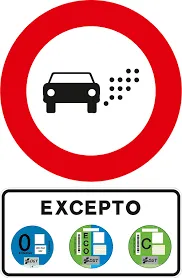
With growing concern about air pollution and air quality in cities, access-control systems for Low-Emission Zones (LEZ) have been implemented. In cities like Madrid and Barcelona, these systems use automatic number-plate recognition (ANPR) cameras to detect which vehicles enter restricted areas based on their environmental classification. Those that do not meet the low-emission requirements can be penalized automatically, supposedly contributing to a reduction in polluting traffic in city centers.
Toll Control Systems and High-Capacity Roads
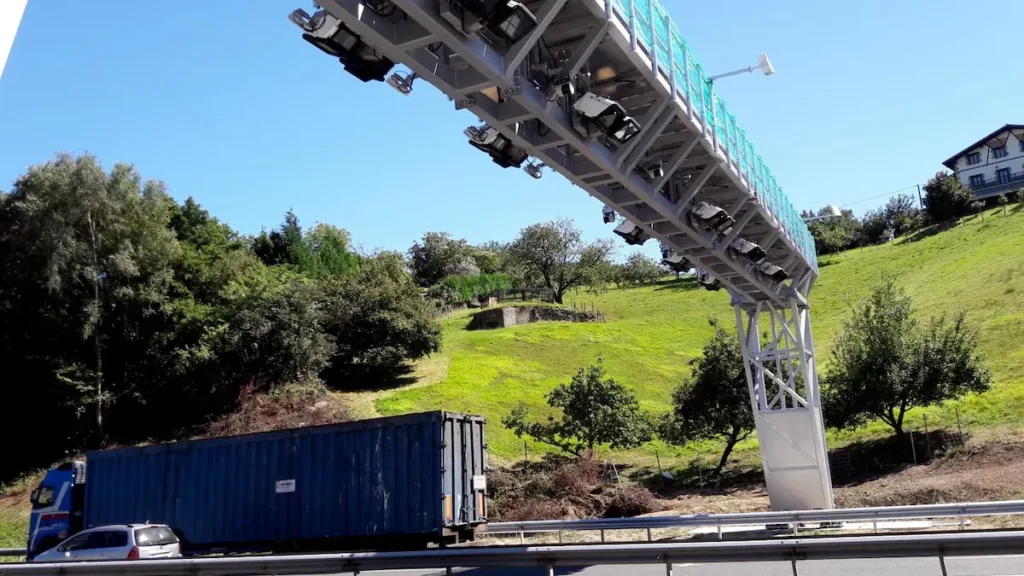
Another technological advance that has complemented the traffic surveillance network is barrier-free or free-flow tolling. These systems allow tolls to be charged automatically using cameras and sensors that identify vehicle license plates with no need to stop. This improves traffic flow on highways and avoids congestion at traditional payment points.
Ticketless Parking Meters and Smart Parking Control

In recent years, parking management has evolved with ticketless meters and digital systems. Now, payment is recorded automatically and linked to the vehicle’s license plate.
These systems rely on patrol vehicles with ANPR cameras that scan plates and issue penalties with no human intervention. They are also integrated with mobile apps that let you pay, extend your parking time or receive alerts.
Beyond its apparent convenience, this technology reinforces automated surveillance, removing discretion and enabling continuous control over drivers.
The DGT 3.0 Platform and Smart Traffic Management
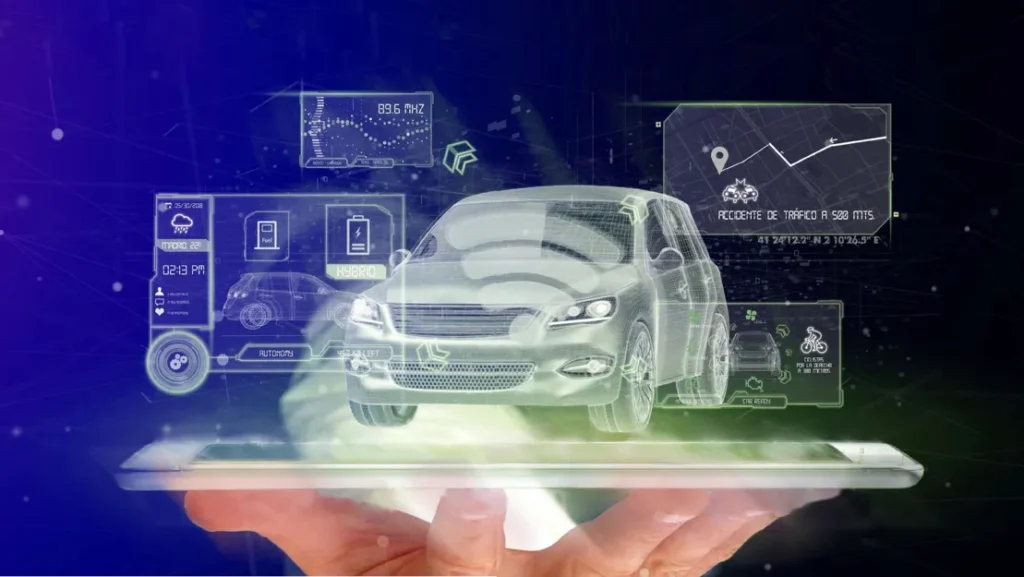
The digitization of traffic has given rise to the DGT 3.0 platform, a smart management system that centralizes real-time data on road conditions, camera locations, weather and possible incidents. This system lets drivers receive alerts and recommendations in their connected vehicles, contributing to safer and more efficient mobility.
Road Safety or Social Control?
The roads have changed, and so have the control measures. What began as tools to reduce accidents have become tools that also serve as instruments of unprecedented surveillance and revenue collection.
If the trend continues like this, in a few years you will not only be fined for speeding, but because an algorithm decides your face shows “intent to accelerate”. And by then, it may already be too late to brake.
The idea that speed cameras and other control systems are only about safety starts to fall apart when we look at how control systems are evolving in other countries. For example, in China, where artificial intelligence is already used to monitor citizens’ behavior in real time through a complex surveillance and facial-recognition system, as I discussed here).
Could Spain be following a similar path? With the deployment of cameras that analyze driving patterns and AI devices that predict risky behavior, it seems we are moving toward a model of digital control in which every action at the wheel is recorded and assessed. The dilemma is not whether these advances will improve safety, but whether in the long run we will be sacrificing our privacy and freedom of movement in the name of supposed road efficiency.