Exploring the Hidden World of Radio Waves
Wi-Fi is one of the most common ways we move data around in everyday life, but the radio spectrum is far wider and full of opportunities for anyone who wants to go beyond the ordinary. Radio waves are not limited to wireless internet; there is an invisible world packed with information and signals of every kind that you can explore in a completely legal and ethical way. From weather satellites to the mobile phone band, the possibilities for learning and experimenting are vast. This article is aimed at young people passionate about technology and cybersecurity who are looking for new ways to learn and experiment with the world of radio frequency.
What Is the Radio Spectrum?
The radio spectrum covers all the electromagnetic wave frequencies we use to transmit data, voice and information. It runs from very low frequencies (VLF) up to extremely high ones, like gamma rays. For anyone interested in technology and cybersecurity, the most accessible part is the radio-frequency range, which includes everything from AM/FM radio waves and Wi-Fi to the bands used by satellites and global communication systems.
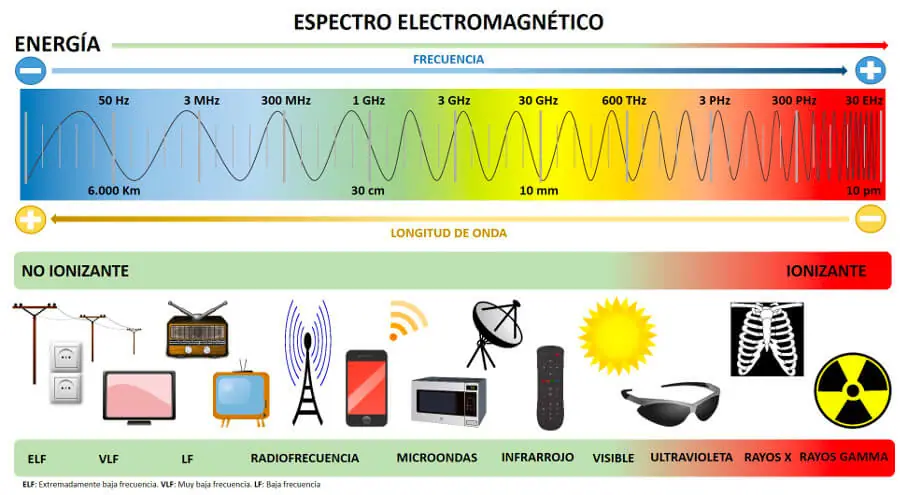
Many of these frequency bands are open for public exploration, as long as you respect the local regulations on transmitting. The exciting part is that with the right tools, you can monitor, learn and experiment with these waves without needing licenses or complicated permits.
Citizens Band (CB): A Classic for Public Communications

Citizens Band (CB), around 27 MHz, is a frequency meant for public communication with no license required. It is mainly used for short- and medium-range communication, and it is perfect for learning how radio waves propagate and how they respond to physical obstacles and atmospheric conditions. Best of all, you can start exploring it easily with relatively cheap gear.
For anyone wanting to get into cybersecurity or electronics, CB is an ideal way in to understanding the principles of wireless communication before moving on to more advanced technologies like VHF or UHF.
PMR446: Short-Range Communication With No Fuss
The PMR446 band is designed for short-range personal communication using devices like walkie-talkies. It is a license-free band, which makes it a practical, accessible option for activities like hiking, sporting events or even coordinating fieldwork.
Although the antennas on PMR devices cannot be modified (for legal reasons), it is still a good place to learn how radio waves behave in different environments, whether urban or rural. PMR lets you experiment with propagation and signal quality without any technical hassle.
The Mobile Phone Band: Beyond 4G and 5G
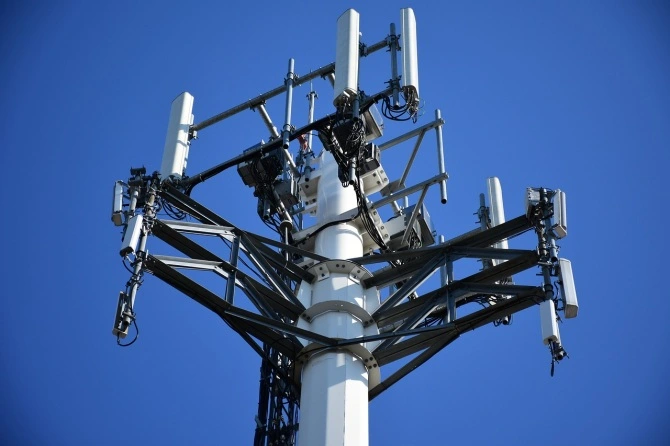
One of the most interesting areas to explore, and one not many people consider, is the mobile phone band. The frequencies used by mobile networks vary by country, but they generally range between 700 MHz and 3500 MHz for 4G and 5G networks. With the right equipment, such as an RTL-SDR device, you can tune in and monitor these bands without interfering with their operation, which lets you learn how carriers manage data transmission, communication between towers, and how the spectrum is shared among users.
Transmitting on them or interfering with them is prohibited without the proper permits. From an educational standpoint, though, monitoring how mobile networks work can give you valuable insight into data traffic and how spectrum use is optimized in a real-world setting.
Weather Satellites: Real-Time Images
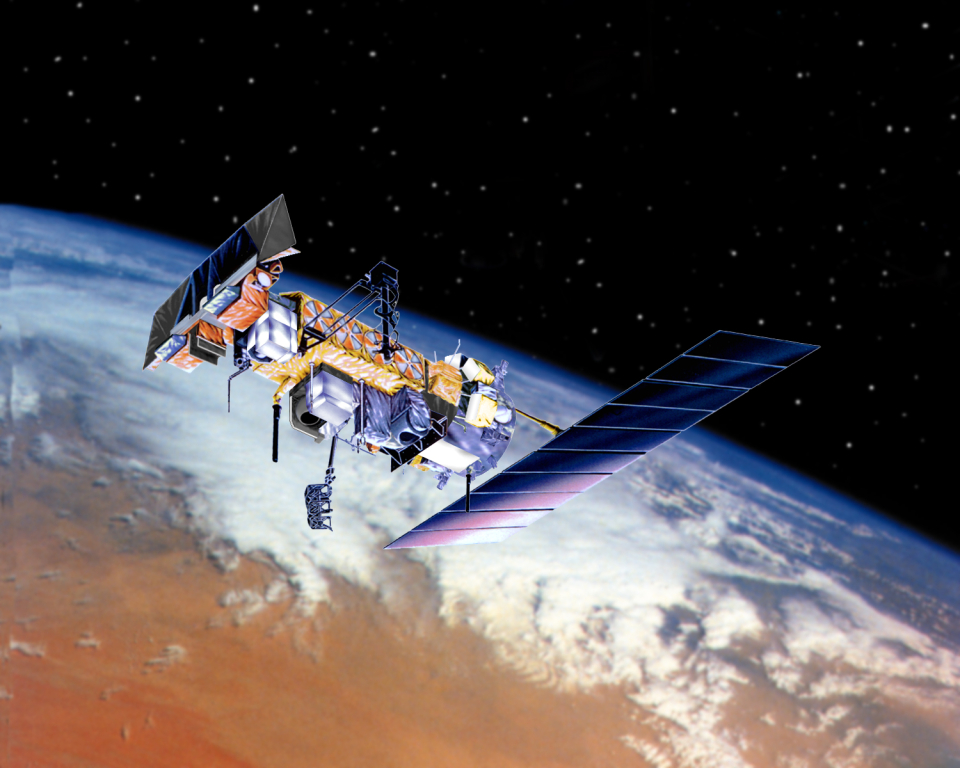
Another fascinating option for young technology enthusiasts is receiving signals from weather satellites. These satellites constantly transmit images and weather data from Earth orbit, and with relatively simple tools, like an RTL-SDR receiver and a suitable antenna, you can pick up these transmissions and download weather images in real time.
The NOAA (National Oceanic and Atmospheric Administration) satellites are the most popular for this kind of experimentation. They transmit on 137 MHz, and their images can be decoded with programs like WXtoImg, letting you see the state of the weather and other atmospheric phenomena directly from space. Receiving satellite images is not only fascinating, it also gives you a practical look at how observation technologies work and brings you closer to the field of data science.
ISM Radio Frequency: The Internet of Things and More
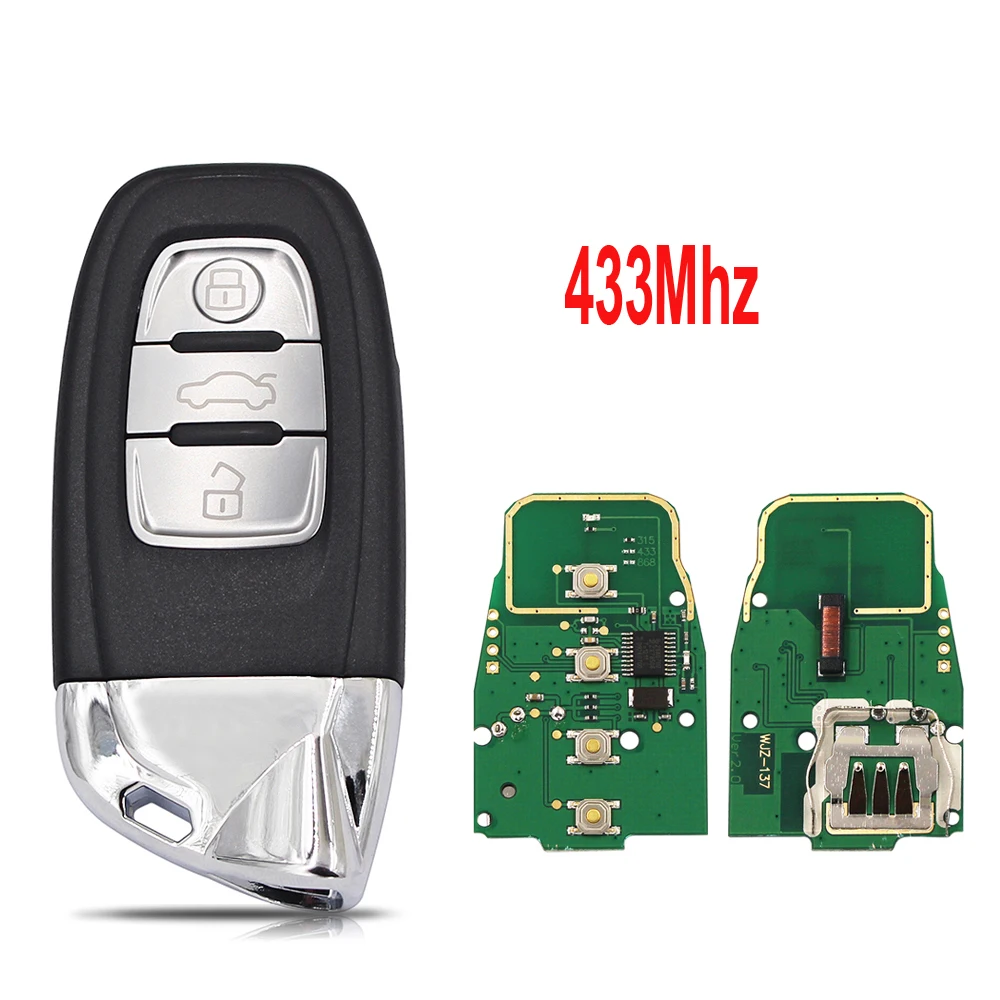
The use of radio frequency is not limited to communication between people. The ISM (Industrial, Scientific and Medical) band, particularly at 433 MHz, is widely used for home systems, automation devices and sensor networks. This band is used in technologies such as the Internet of Things (IoT), remote controls for garage doors, temperature sensors and other connected devices.
For anyone interested in programming, hardware integration and building smart-home solutions, exploring the ISM band offers a dynamic environment full of opportunities. With accessible tools like microcontrollers (Arduino or Raspberry Pi), you can build systems that interact with their surroundings wirelessly, making better use of resources and helping automate everyday tasks.
Tools for Responsible Exploration of the Radio Spectrum
To start exploring this vast world of radio signals, you need accessible, easy-to-use tools. One of the most popular is the RTL-SDR, a USB device that turns your computer into a radio-frequency receiver. This small but powerful device covers a frequency range from 500 kHz to 1.75 GHz, letting you tune in to everything from FM radio broadcasts to aircraft communications or satellite images.
Software like SDRSharp and GNU Radio lets you view and analyze these signals in real time. And with specific antennas and fine tuning, you can improve your reception and focus on the frequencies you are most interested in. This combination of hardware and software offers an affordable way into the vast world of radio waves.
Ethics and Legality in Radio-Frequency Exploration

It is important to remember that, while many frequency bands are open for monitoring, others are not. There are strict regulations on their use. Transmitting on frequencies without a license or interfering with signals from emergency, security or aviation services is strictly prohibited and can have serious legal consequences. Any exploration must therefore stay within the legal and ethical framework.
The key is to enjoy the learning process without intruding on other people’s space. Respecting the law is essential, and if you are interested in exploring bands beyond those allowed for free use, the best thing is to get an amateur radio license or contact your local authorities to find out the specific rules.
The radio spectrum is far wider than most people imagine, and it is full of possibilities for anyone who wants to go further. From Citizens Band to weather satellites. I have shown a few of the possibilities, but there are countless frequencies you can explore legally and ethically. With tools like the RTL-SDR and open-source software, anyone can get started in this fascinating world and build technical skills that will be valuable in the future.