From Analog Clicks to Digital Bits: The Unbreakable Evolution of Amateur Radio
The Spirit of Radio in All Its Forms
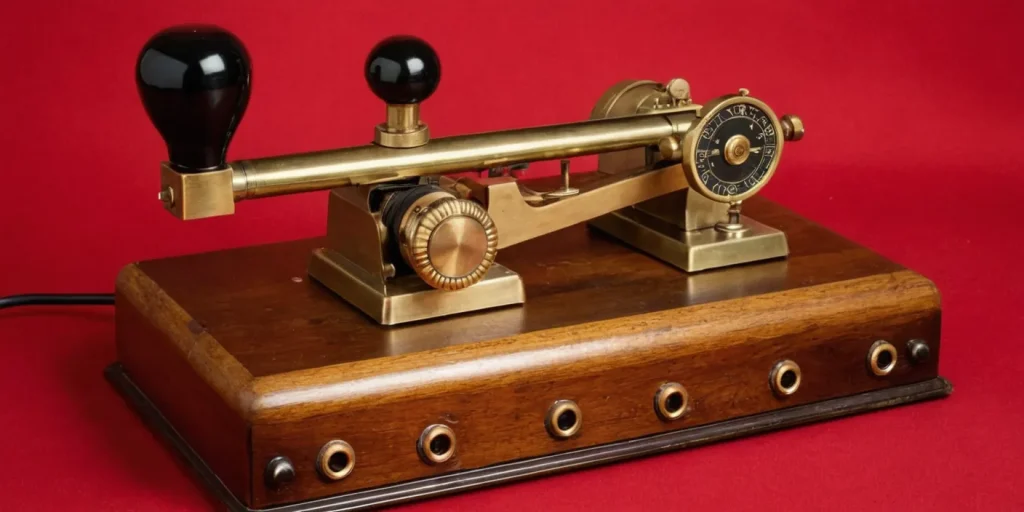
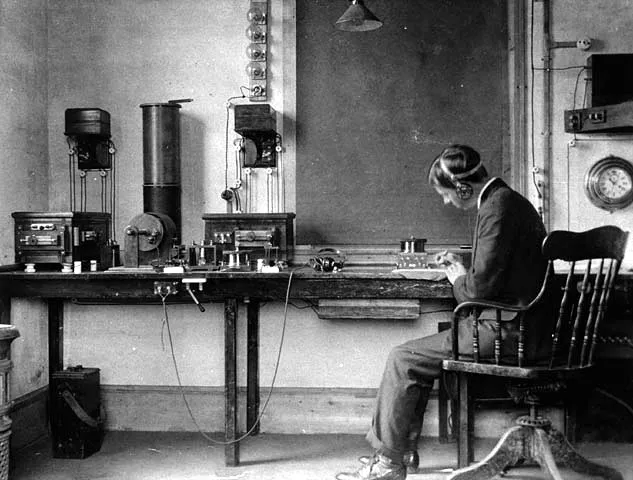
There was a time when radio was more than technology; it was a magical bridge between souls separated by oceans. In the 1930s, the waves carrying distant voices crossed continents with a precision that seemed straight out of a Jules Verne novel. Radio amateurs, with their rudimentary stations, were not just explorers of frequencies but keepers of an art that blended science and passion.
Today, well into the 21st century, many feel that essence is being lost among bits and algorithms. But what if the soul of radio is not in the knobs, but in its eternal purpose of connecting worlds? Come with us as we dig up this story and understand why digital is not the villain, but the next chapter of a saga that has never stopped being written.
From Morse to FT8: Milestones That Changed History
The history of amateur radio is a novel full of key moments, where analog and digital have proven to be allies in the evolution of telecommunications. Let me take you by the hand through some of these milestones:
Morse Code and the First Explorers
In 1844, Samuel Morse sent the first telegraph message: “What hath God wrought?”. Years later, radio amateurs adopted Morse as their lingua franca, and with it the first global communities were born.
The Golden Age of AM and the Second World War
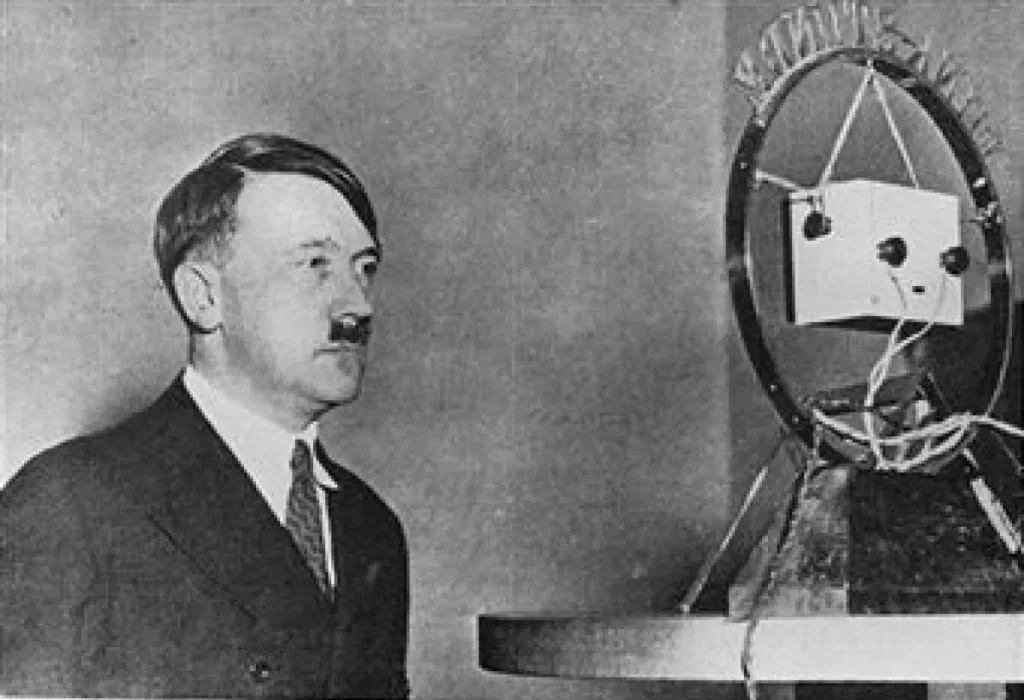
During the 1930s and 40s, radio amateurs were key players. They trained operators, built equipment in extreme conditions, and kept communications alive. They were also watched, censored and turned into tools of propaganda.
The SSB (Single Side Band) Revolution
In the 1960s, the arrival of SSB marked a radical change. More efficient than AM, it allowed long-distance communication with less power. The purists of the day protested too: “How can something that cuts the carrier and one of the sidebands have any soul?”. But they adopted it, because radio has always been an art of adapting.
The Rise of Software Defined Radio (SDR)
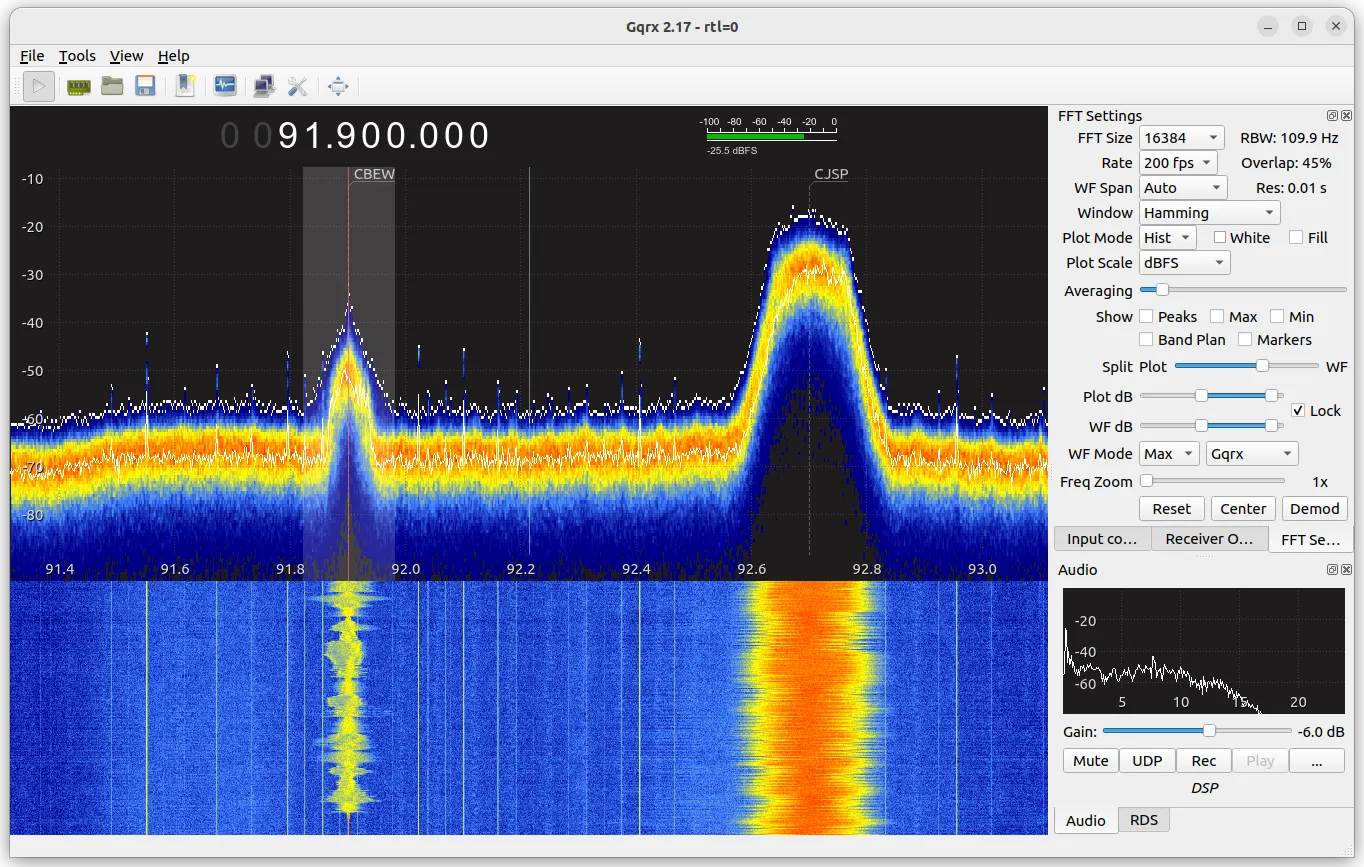
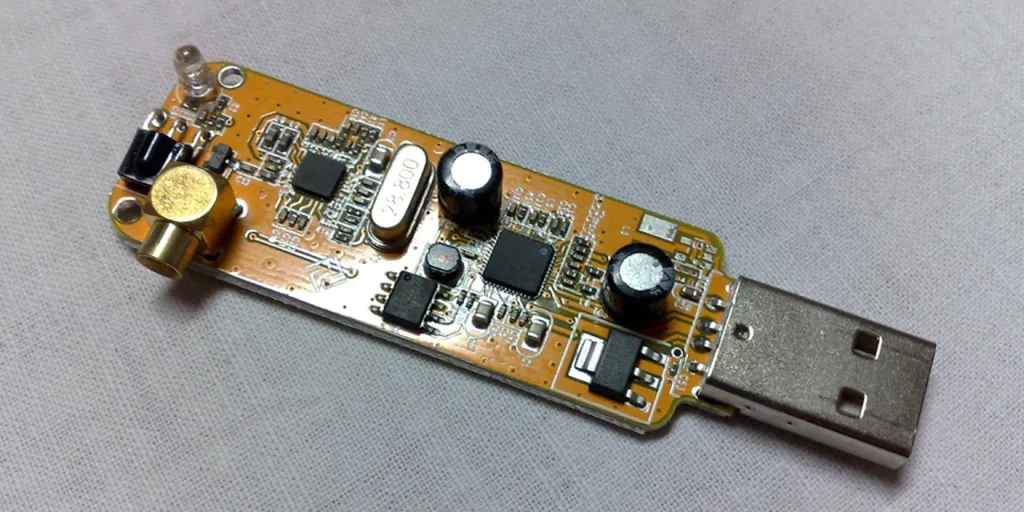
And here we are today. Digital, led by technologies like SDR, has opened doors that were once unimaginable. With a simple USB dongle and the right software, you can explore entire bands, decode weak signals and work modes that used to require a room full of equipment. Is it cold? Maybe. But it is also a tool that democratizes amateur radio, putting it within everyone’s reach.
The Magic of Hardware and the Power of Software

A classic rig can happily coexist with an SDR. You can have your Icom or Kenwood and use an SDR to receive in parallel, monitor, or even log activity while you work another band. Digital does not eliminate analog: it goes alongside it. Modern radio is not “this or that”. It is this and that.
Analog Hardware: Solid, Dedicated and Tangible
Traditional hardware is designed to carry out specific tasks with precision. A typical analog transceiver is a piece of engineering tuned to the millimeter. Everything, from its filters to its modulator, is built to work flawlessly, but within its own limits.
- Advantage: it is tangible. You can feel the warmth of the equipment, hear the soft “click” of the relays as you change band, and know that every manual adjustment is yours.
- Disadvantage: its fixed nature. If your rig is designed for AM, converting it to operate on SSB or to experiment with digital modes will be a challenge (and an expense). Hardware, on its own, does not adapt easily.
Software: A Universe of Possibilities on the Same Hardware
With the arrival of Software Defined Radio (SDR), amateur radio took a quantum leap. Instead of relying on specialized hardware for each task, an SDR hands most of the work to software running on a computer or an embedded processor. This means the hardware is practically universal, and it is the software that defines what it does.
- Total adaptability: the same hardware can work as an SSB transceiver, a satellite receiver, a digital-mode decoder or even a spectrum analyzer. It all depends on which software you use.
- Lower costs: instead of buying dedicated equipment for each purpose, you invest in versatile hardware that can adapt to your needs with simple software updates.
- Limitless experimentation: want to try a new digital mode? Download the software for it. Want to decode weather signals or listen to planes on ADS-B? Set it up in minutes.
The Synergy Between Hardware and Software

The most interesting part is that hardware and software are not at war, but in constant collaboration. The hardware provides the physical basis for capturing signals out of the air, while the software unleashes the true potential of that data.
But even before talking about technologies, it is worth remembering something essential: we humans cannot hear radio waves with our ears or interpret them with a finger. Without a machine to translate them, we would hear nothing. The crystal radio of the 1920s and a modern SDR are not so different. Both are human inventions for giving comprehensible shape to an invisible world.
A valve station and a program with a graphical interface do the same thing: they capture a signal, transform it, and hand it to us in a form we can understand. And in that act, each one is equally valuable.
A rig like the iconic Icom IC-7300, which combines advanced hardware with a powerful DSP (Digital Signal Processor), is a perfect example of this synergy.
In short:
- Analog hardware is like a hand-forged sword: unique, reliable and beautiful.
- Software is like a multi-tool: less romantic, but infinitely more practical.
Both have their place, but the most important thing is that both are human creations to achieve the same goal: to listen, to transmit, to connect.
The Myth of Digital Coldness
One of the most common arguments against digital is that it lacks “soul”. That it does not have the warmth of an AM QSO or the magic of a pile-up on SSB. But this myth falls apart when we look more closely. Amateur radio is not just the medium; it is the purpose.
- FT8, although automated, allows international contacts with modest antennas and less than 10 W, opening the hobby up to people who do not have access to big equipment.
- SDR turns a simple laptop into a multiband station, letting you experiment with bands, satellites and modes that used to be out of reach.
And the best part: digital does not replace analog. You can keep enjoying CW or SSB and, whenever you like, explore new technologies. It is like having the best of both worlds.
Radio Never Loses Its Soul
Amateur radio has always been a mirror of technological evolution. We went from Hertz’s sparks to Marconi’s Morse, from valves to transistors, from AM to SSB, and now, from pure hardware to flexible software. Every step has been met with skepticism, but in the end, it has always expanded our possibilities.
Digital is not the enemy, it is the next chapter. It does not eliminate the magic of analog, it only complements it. As good radio amateurs, our duty is not to cling to the past, but to embrace the future without forgetting our roots.
So, veterans and newcomers alike, let us set aside our prejudices and explore this new era together. Because if anything defines amateur radio, it is our ability to adapt, to learn and, above all, to keep connecting souls through the airwaves.