GrapheneOS Leaves France: Privacy Under Suspicion
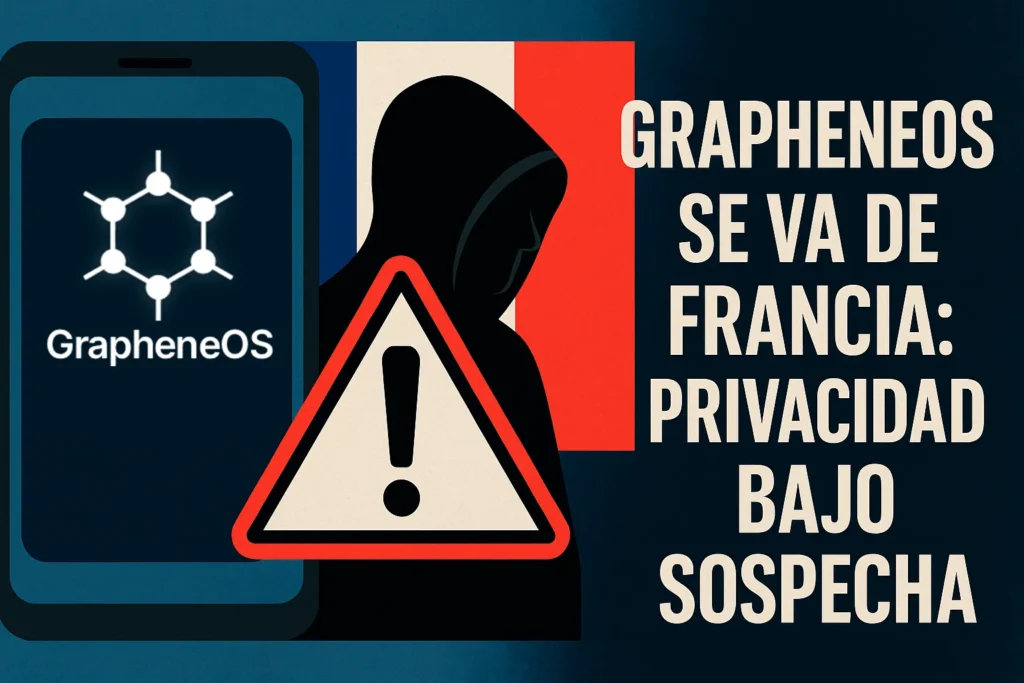
In an unusual but very telling move, GrapheneOS — one of the most secure mobile operating systems in the world — has left France.
The reason? The usual one: fear, ignorance, and the criminalization of privacy.
The controversy: from anonymity to the dock
It all started when the French judicial police leaked a report accusing GrapheneOS of being the go-to system for criminal networks to hide their communications. The media did the rest: eye-catching headlines, zero context, and a toxic narrative linking encryption with crime.
The implicit message: if you use strong privacy, you must be hiding something.
GrapheneOS’s response
Far from backing down, the GrapheneOS team decided to take drastic action:
- They pulled all their servers out of France (previously hosted on OVHcloud).
- They migrated their infrastructure to Canada, Germany and the US.
- They rotated cryptographic keys and hardened security protocols.
- They announced that no team member will travel to or operate from France.
And French users? The system keeps working, just without local support. Bye bye, community.
Encryption = crime, according to some
This case puts an old debate back on the table: can encryption stay legal if bad actors use it too?
By that absurd logic, we’d also have to ban kitchen knives or fast cars. But we already know that when control is at stake, reason gets in the way.
What’s at stake
What’s happening in France is worrying:
- Legitimate privacy tools are being demonized.
- Developers are being pushed into digital exile.
- The idea that the state should always have a backdoor is being normalized.
This isn’t just about one operating system. It’s about what kind of technology we want: one that protects us, or one that watches us.
What do you think? Should software protect us even when it’s inconvenient for those in power?